← Back to Case Studies
Enterprise Client • vCISO
VCISO-solution
A client engaged us to provide full vCISO (Virtual Chief Information Security Officer) support, covering strategic IT oversight, cybersecurity governance, and regulatory readiness. The client needed a single partner to review their existing IT stack, reduce unnecessary costs, and ensure their environment was prepared for regulatory and audit requirements.
BCP
Business Continuity Plan
SIRP
Incident Response Plan
Reduced
Operational Costs
100%
Policy Coverage
Case Breakdown
A detailed look at the challenge, our approach, and the measurable outcome.
The Challenge
The client lacked centralized security leadership and oversight of their IT and cybersecurity environment. They were incurring high costs from multiple overlapping tools and unused licenses, while also lacking key governance artifacts required for compliance. There was no formal business continuity plan, vendor risk assessment process, incident response documentation, or executive-level security training.
The Solution
We delivered a comprehensive vCISO engagement focused on governance, risk reduction, and operational efficiency:
- Conducted a full IT and security stack review to identify unused and redundant licenses
- Eliminated overlapping services and optimized tooling, significantly reducing ongoing costs
- Developed a formal Business Continuity Plan (BCP) aligned with regulatory expectations
- Built a Vendor Management Program to assess and monitor third-party risk
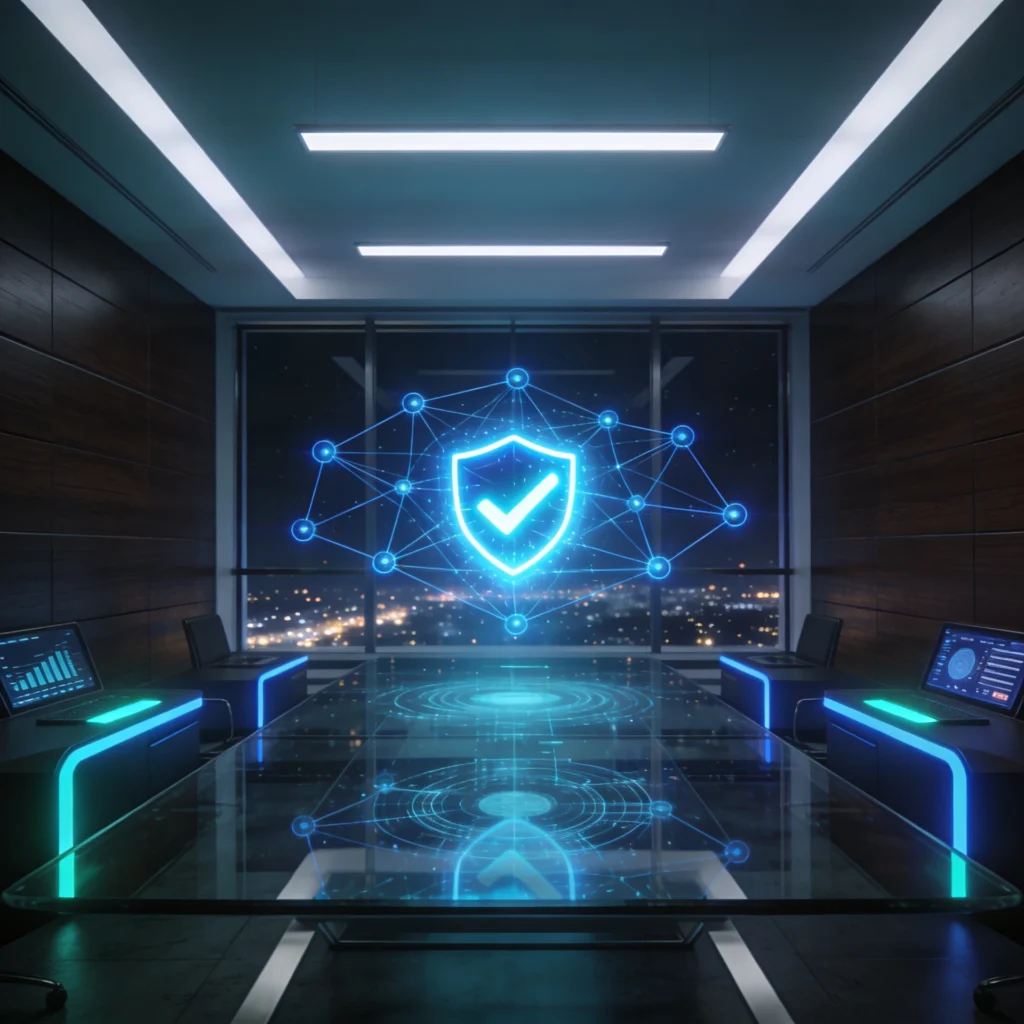
- Designed and facilitated a tabletop exercise, training stakeholders on how to participate and respond during security incidents
- Created a Security Incident Response Plan (SIRP) and supporting IT security policies
- Reviewed all policies with stakeholders and provided guidance on policy enforcement and operational adoption
The Result
The client achieved improved regulatory readiness, stronger governance, and clearer executive accountability for cybersecurity. Ongoing costs were reduced by eliminating redundant and unused services, while newly implemented policies and plans provided structure for incident response, vendor oversight, and business continuity. Stakeholders gained practical experience through tabletop exercises, positioning the organization to respond effectively to real-world security events.
Ready to harden your defenses?
Start with a comprehensive risk assessment. Our engineers will identify your vulnerabilities and build your custom shield.
Request a Risk Assessment